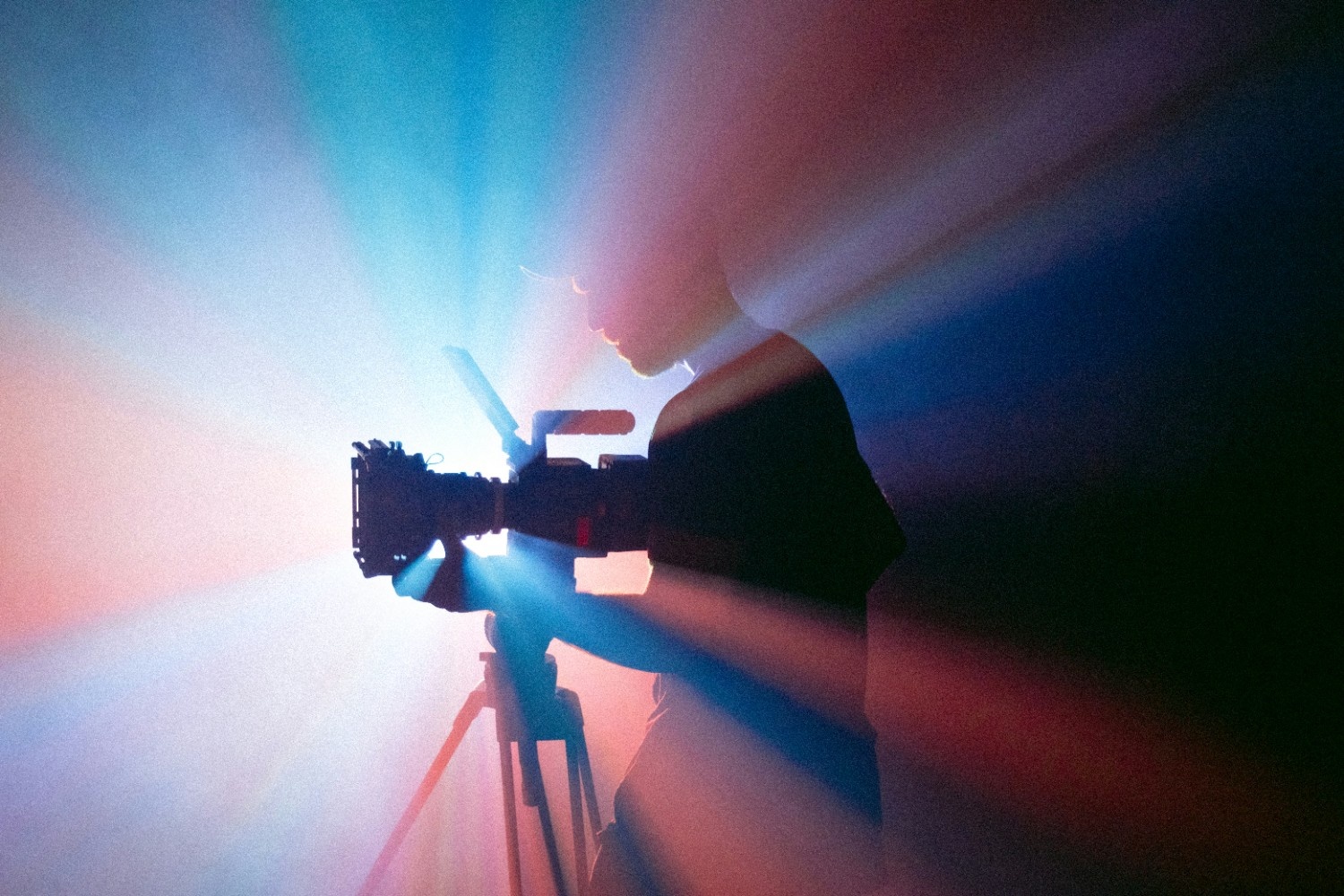
Why Every Brand Needs Its Own Visual Language
5 Min. ReadBefore the logo even shows up, you just know it’s an Apple ad- the clean white space, and the smooth camera moves say it all. That’s the power of a visual language. Today, where people swipe through countless videos in seconds, what makes a brand stand out isn’t just what it says, but how it shows it.
Videos today aren’t just ads, they’re reflections of a brand’s identity, emotion, and purpose. Every frame, every cut, every play of light becomes part of its story. Like a filmmaker setting the tone and rhythm to stir some emotion, brands too need their own cinematic style and a visual language that makes them instantly recognizable.
What Is Visual Language and Why It Matters
People don’t connect with information; they connect with emotion because today when everything can be generated with a prompt, people want to see real emotion flow through visuals. A well-made film can tell your brand’s story faster than any tagline, because visual storytelling brings together sight, sound, and feeling in one go.
Visual language is what gives your brand its atmosphere, the tone set by colour, framing, lighting, music, and pacing. It’s how your brand “sounds” in motion. The way a scene is framed can show closeness or scale, lighting can express hope or authenticity, and pacing can make your brand feel calm, bold or even fast-moving.
When these creative choices align with your identity, your films stop being just videos – they become experiences that say, “This is who we are.” A strong visual language builds trust, makes your brand instantly recognizable, and turns it from a product into a personality.

The Anatomy of a Brand’s Visual Language
A brand film is built frame by frame. It’s not just about how it looks – it’s about how it feels. Every small choice – shapes that identity. When these choices come together, your films don’t just show your brand; they let people experience it.
#1. Color Palette
In film, color means emotion. The colors that fill your frames set the mood before a single word is spoken. Coca-Cola’s iconic bright reds give energy, while Tiffany’s blue brings calm and elegance. During shoots, filmmakers use color theory to choose props, clothes, and even lighting that match a brand’s tone. In editing, color grading ties it all together, making every reel, ad, or film feel part of one world. A clear palette makes your brand instantly recognizable, no matter where it appears.
#2. Lighting and Texture
Lighting on the other hand decides how your brand feels on screen. It can make a story look bold, soft, or real. Through Apple’s glossy light we get a sense of innovation and precision, while Nike’s contrast-filled look with sweat, grit, and shadows feels raw and earned. Dove’s soft light brings out real skin texture and emotion making us all feel seen. Filmmakers mix natural and artificial light to create texture that fits the brand to set the tone and add personality and emotion to your film.
#3. Framing and Composition
Framing decides how your story is seen. A camera’s angle, distance, or movement shapes emotion and tone. Perfectly balanced shots show control and design like Apple or Audi. Handheld shots feel spontaneous and personal, often used by lifestyle brands to feel real and relatable. Airbnb’s wide shots, showing people in open spaces, express belonging and freedom anywhere in the world. Each frame is planned with intention not just to bring out beauty but to build intimacy.
#4. Motion and Pacing
The rhythm of your edit sets the heartbeat of your film. Fast cuts and quick camera moves, like in GoPro videos, create rush and excitement. Slow, graceful transitions, like in Louis Vuitton or Bvlgari, invite viewers to pause and admire. Editors match the pace with music, camera flow, and brand tone. Whether it’s a drone glide or a gentle fade, the timing sets the mood.
#5. Typography and Graphic Language
Often overlooked but text also plays a role in film storytelling. The font, size, and motion of words on screen shape the overall feel. Sleek, minimal typefaces fit brands like Tesla and Disney. Softer, hand-drawn fonts give a handcrafted, human touch. In film, titles and on-screen text aren’t just decoration, they move with the visuals, adding rhythm and meaning. When typography blends with imagery, it becomes part of the story, not a break from it.
The Power of Consistency on Screen
Consistency is one of the strongest assets a brand can have. Sometimes inconsistency can be confusing because when your videos shift in tone or mood, audiences lose that sense of connection and trust. A clear visual language helps keep your brand’s emotion steady, no matter who’s behind the camera. This is where “visual governance” comes in – simple guidelines for things like cinematography, color, sound, and pacing.
These aren’t rules that limit creativity; they’re anchors that help every filmmaker express the same heartbeat. So every reel, film, or ad feels fresh yet unmistakably yours
The Emotional Payoff: Every Frame Is a Signature
When your audience watches your video, they should feel something before they even know because that emotional déjà vu, that silent recognition, is what turns viewers into believers. Every brand has a story, but film gives you the power to make people feel it, frame by frame. By creating your own visual language, you are doing more than creating content, you are building a visual legacy that’s cinematic, consistent, and unmistakably yours. Because in the end, audiences don’t just remember what they saw; they remember how your films made them feel.
Written By: Ritika Sanehi